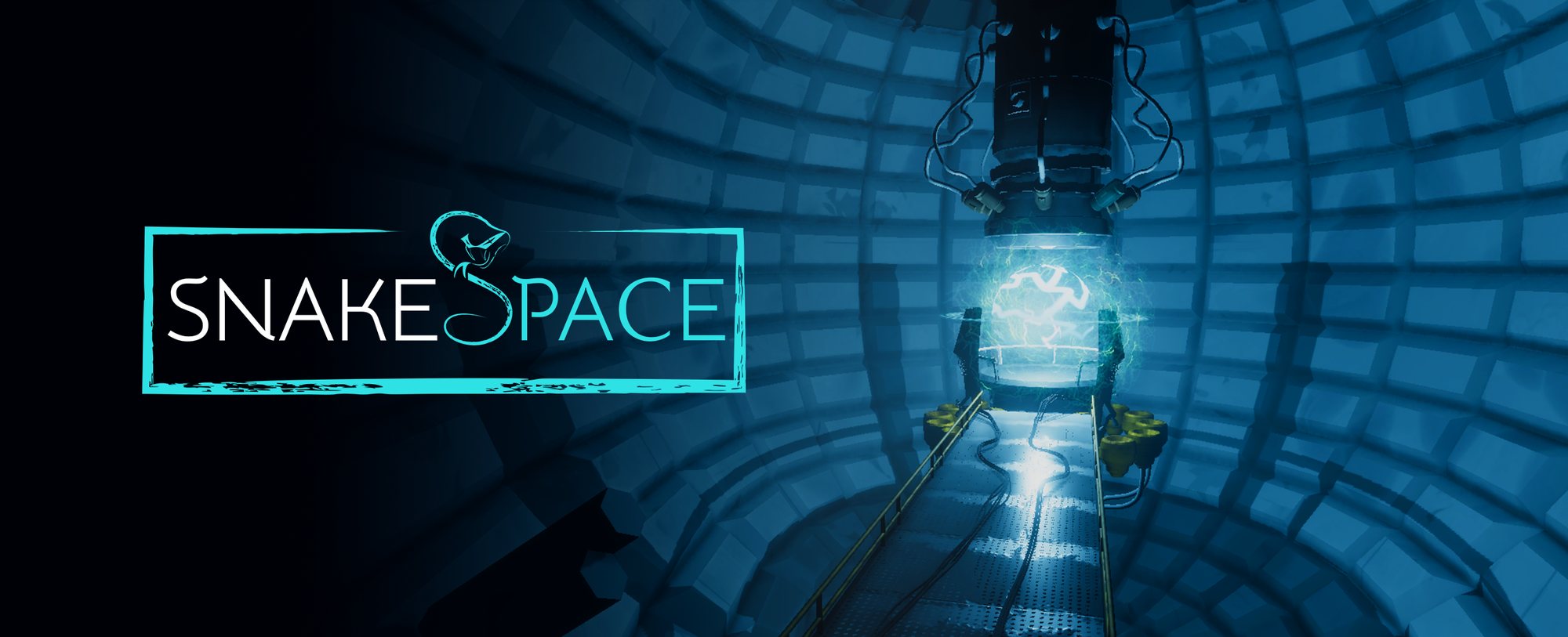
Snake Space
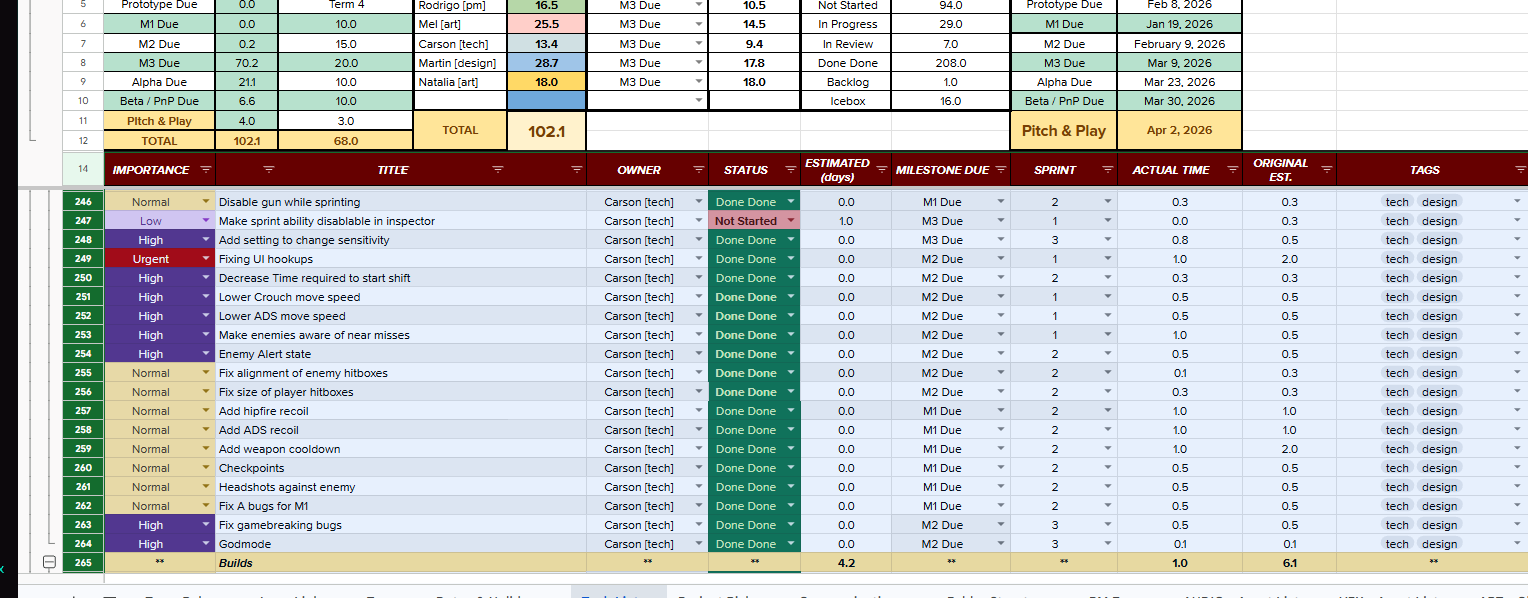
- Google Sheets
- JIRA
- Hack'n Plan
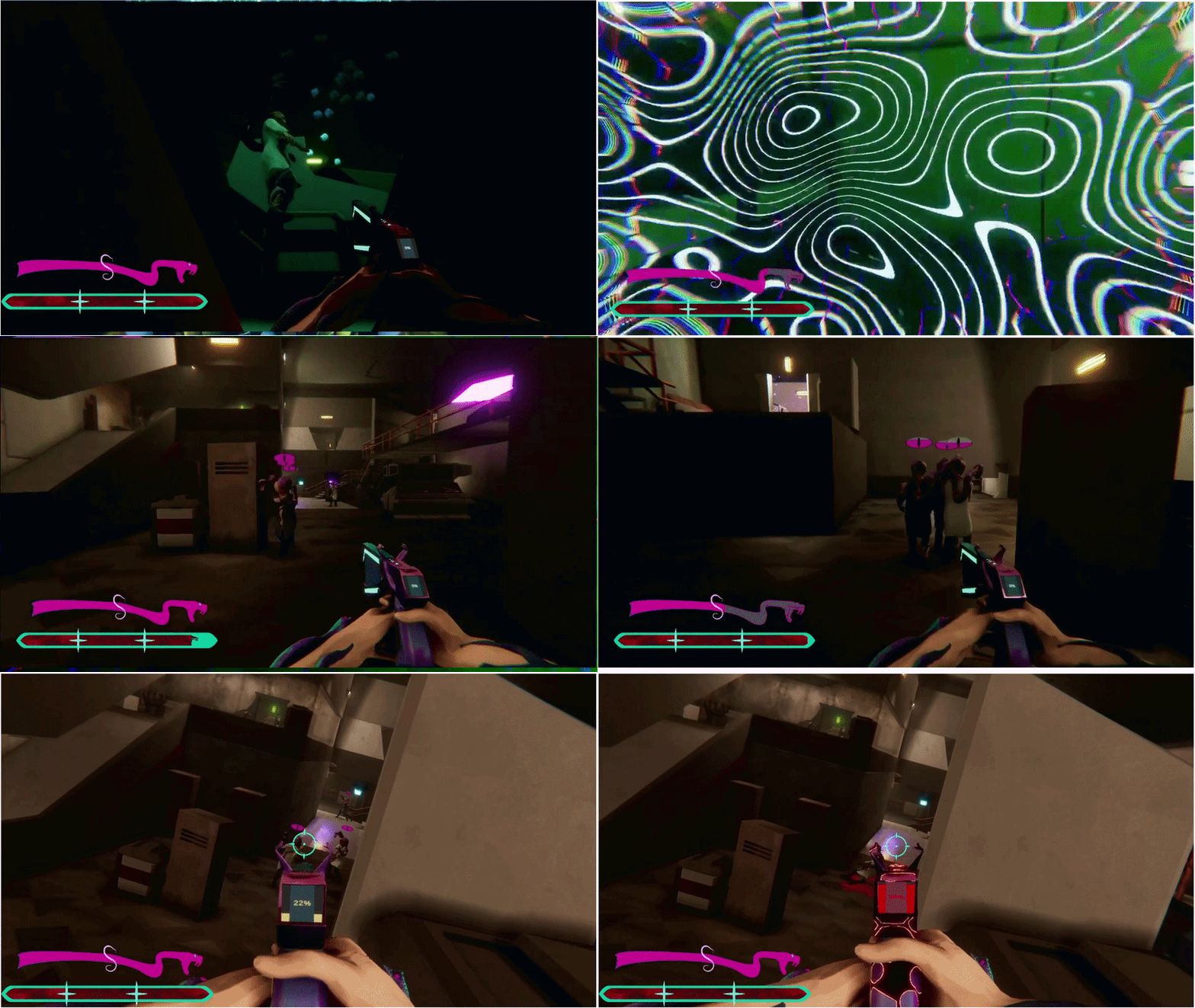
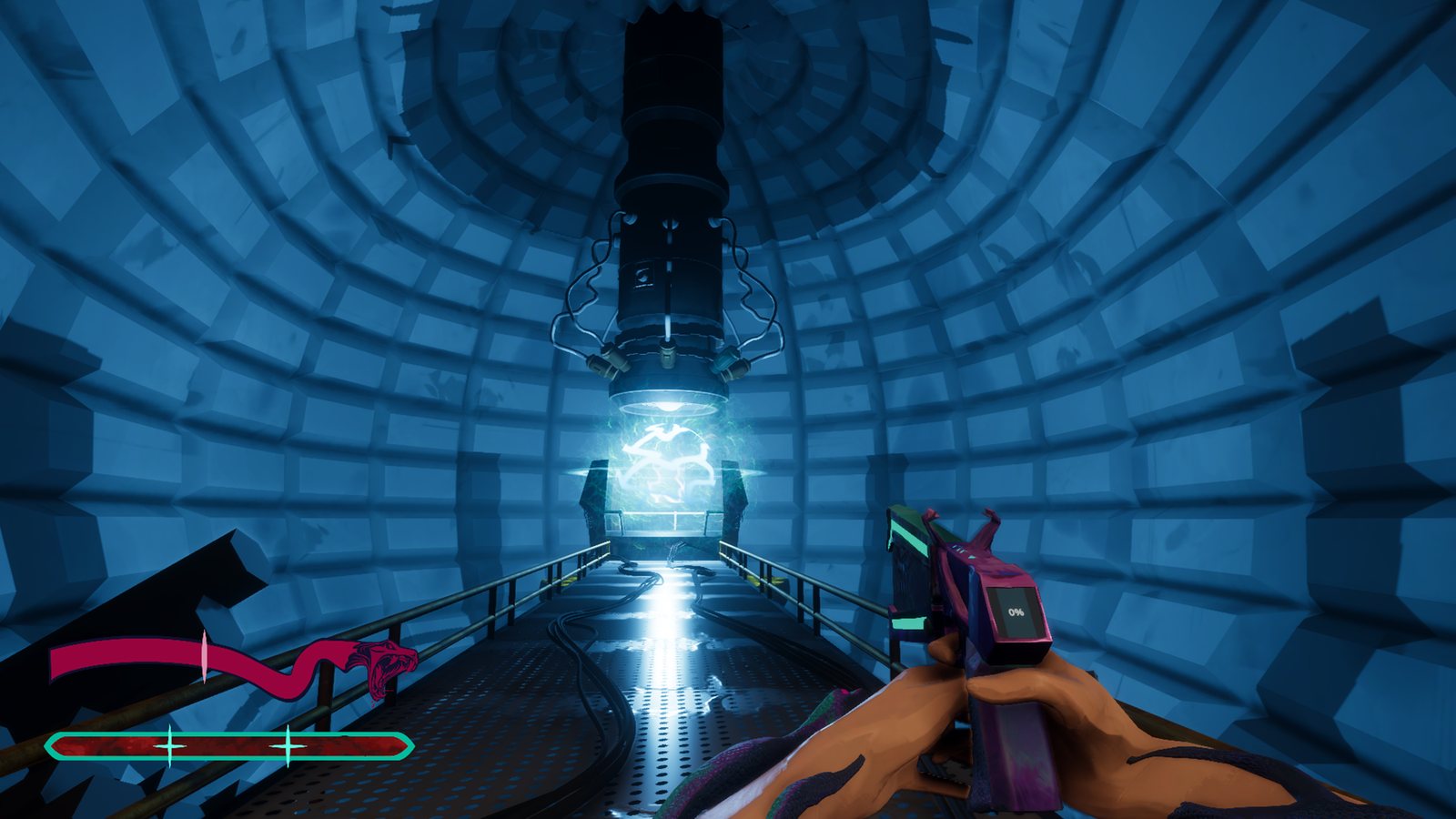
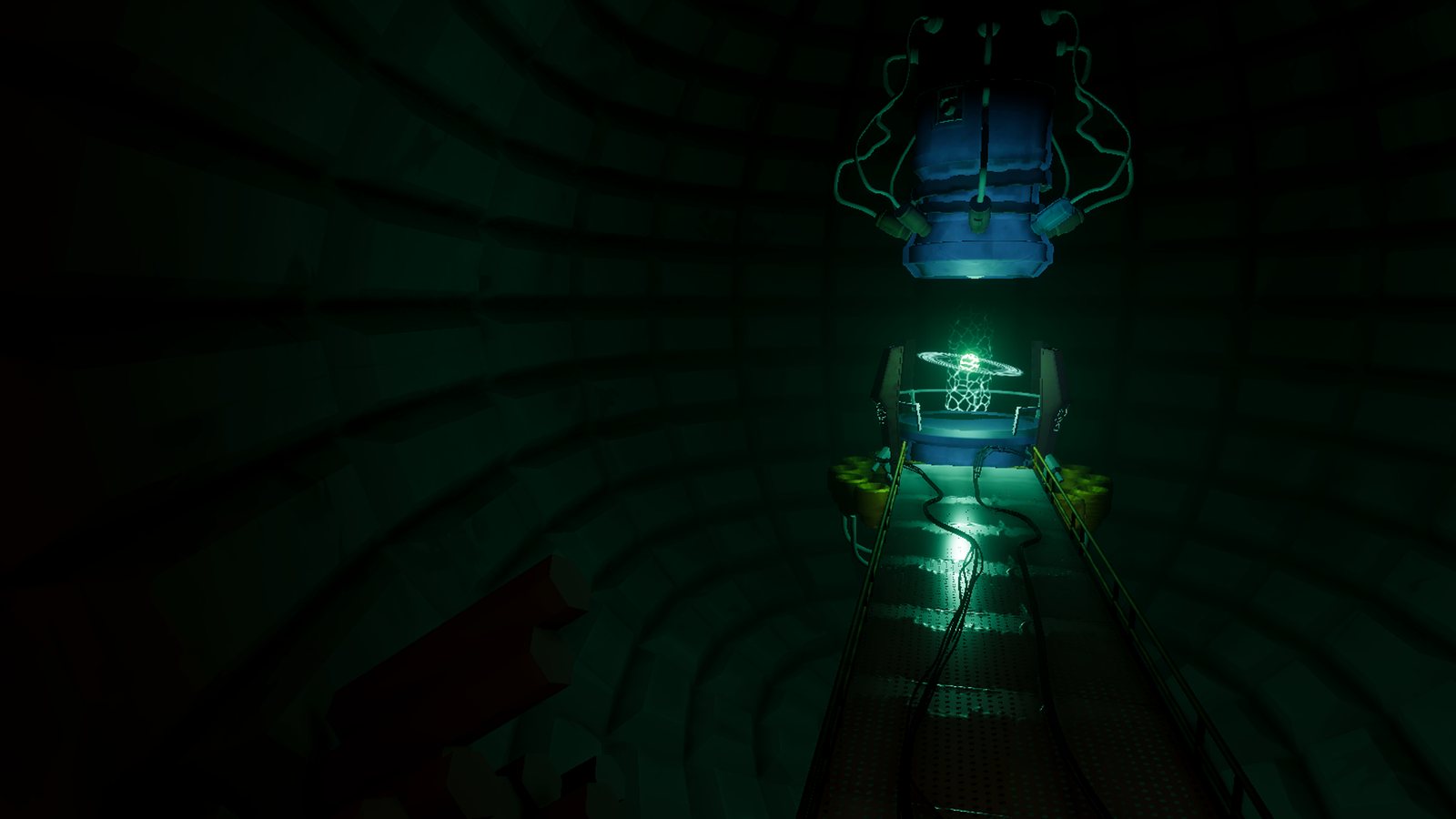
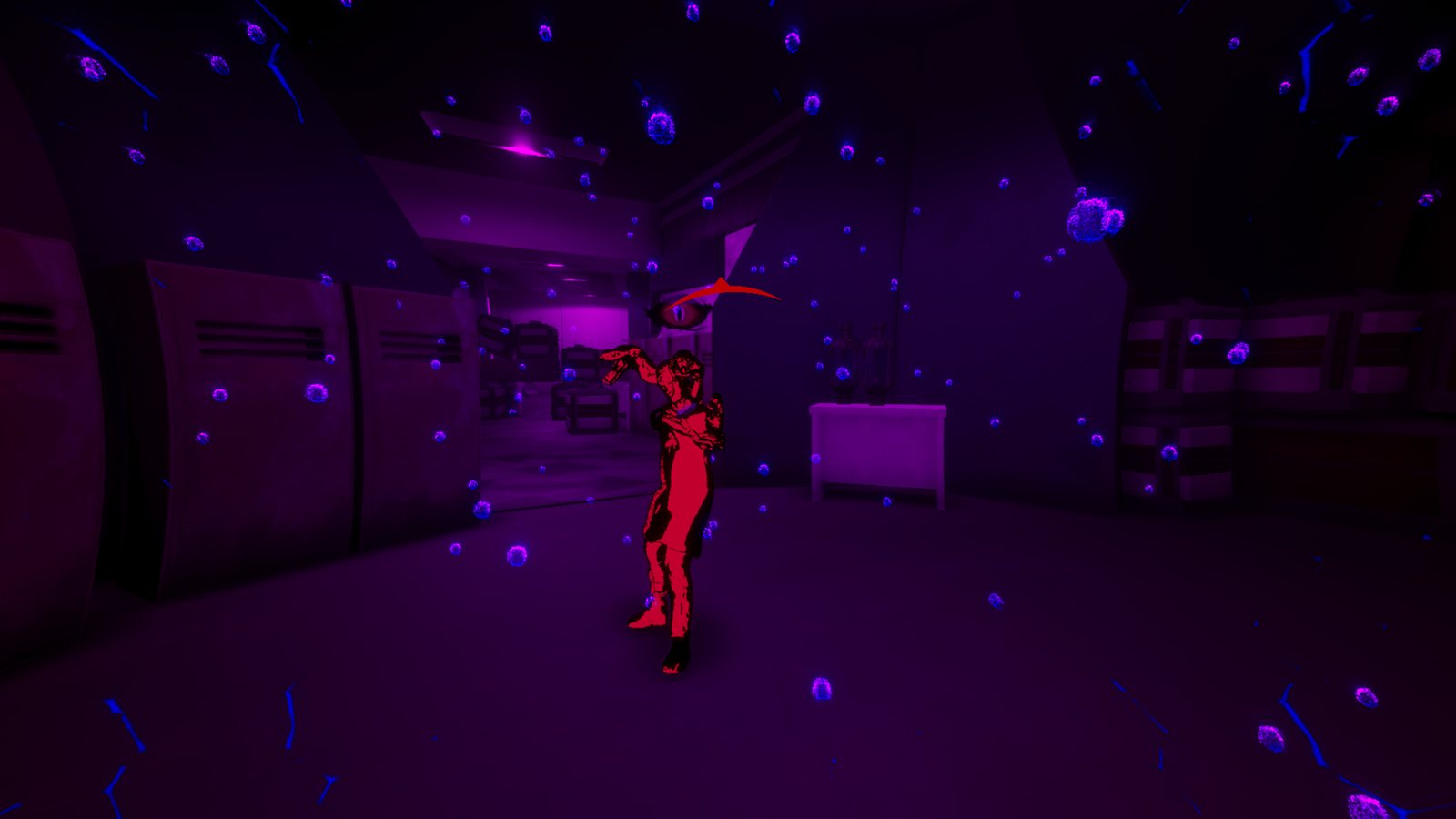
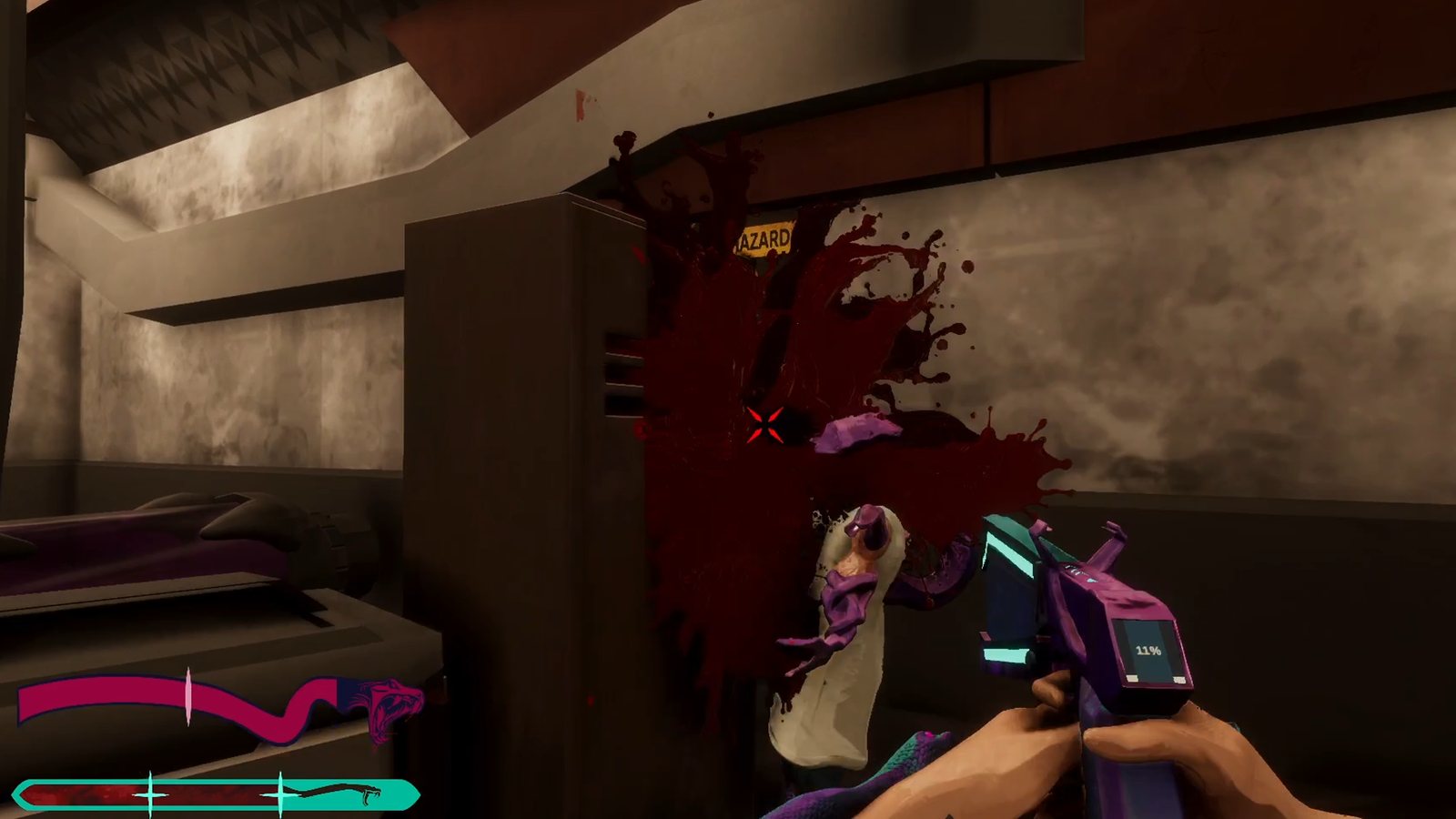
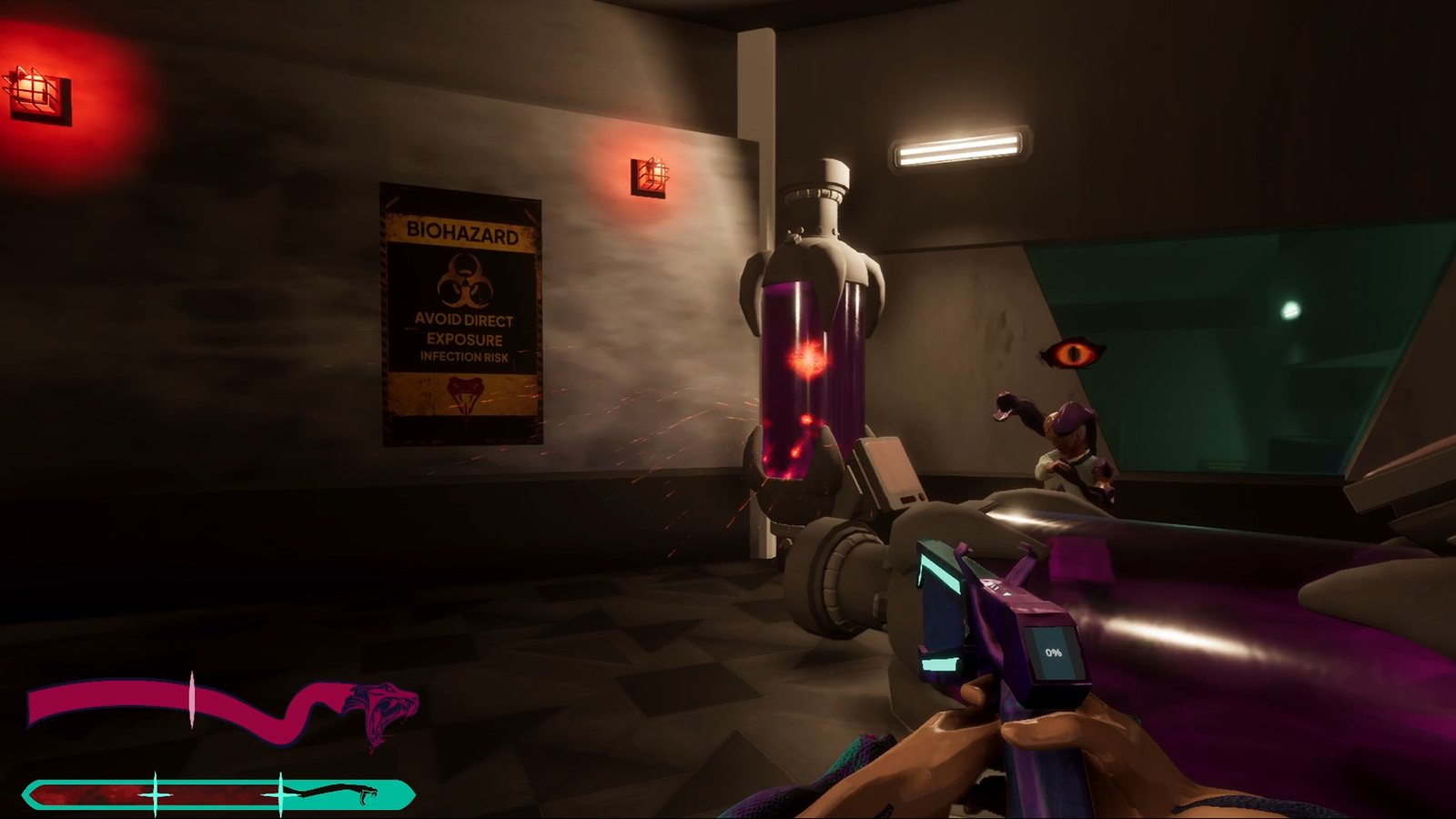
Snake Space is a first-person, high-risk precision shooter in which you play as Dorian, a scientist partially infected by an extra-dimensional snake parasite who is still fighting to keep control. Outnumbered, your one advantage is your phase-shifting ability, which lets you scout ahead or move to a better vantage point when things get too threatening.
Status: Released · Platform: Windows · Free to download on itch.io
My role
I was the project manager, and I also made textures and environment art. Doing both was useful on a small team: being close to the art meant I knew how long things really took, so my planning stayed honest and approachable.
How I kept the project organized
We faced three challenges at once. The first was keeping the whole team happy and motivated by giving everyone work they enjoyed, especially since this was the first project for some of them. The second was that we were all still learning, so the timeline had to include time for learning. The third came from the first two: time itself. We had less than three months to make a game that felt good to play, and that is tighter than it sounds, so every week counted.
My answer was order, and a lot of sheets. Tasks, deadlines and bugs lived in shared sheets, each with one clear job, so nobody had to ask what to do next or where to look.
- One place to look: everyone worked from the same sheets, so the plan was never only in somebody’s head. Even so, plenty of adjustments were still made during stand-ups.
- Bugs with a trail: bug tracking was part of my job, and a written list made it easy to see what was open, what was fixed and what was still blocking us. Many bugs were tracked in JIRA and Hack’n Plan.
- Problems visible early: when a task slipped, it showed in the sheet that week, while there was still time to move things around.
Our tools were Google Sheets, JIRA and Hack’n Plan, and each platform had its own strengths.
Google Sheets is where I kept everything organized, using specific sheets for each purpose. JIRA was mainly for tracking bugs, and we used it mostly for art bugs. Hack’n Plan worked better for planning programming tasks, since it was easier for our programmer to track them there.
I wrote more about this way of working in my Managing through Sheets project.
Challenges and what I learned
The timeline was only half of the challenge. The other half was the people side: conflicts inside the team and building a team that trusted each other. Putting priorities in writing helped a lot. I also learned to be flexible and to trust my team. Sometimes we didn’t get the result we wanted, but we got something satisfactory or even better, and that motivated the team to work harder.
Team
- Rodrigo Alberto Galvan Alejandre: PM, textures, environment artist
- Mel Mirahmadi: Artist, character animations, VFX, UI designer
- Martin Navarro: Level designer, sound designer, QA
- Carson Wang: Programmer, combat designer
External collaborators
- Maat Ramirez Morales: Concept artist
- Izak Arida: Music collaborator
- Jon Hunwick: Concept artist
- Natalia Casados: Prop artist
- Natalie Wong: Prop artist
- Abigail Gravill: Concept artist
- Juan Destefano: Sound collaborator
- Wesley Chang: Sound collaborator
No generative AI was used.